
ACCREDITATION
Accreditation Information

University of Science and Technology - Zewail City is
officially accredited by the Supreme Council of Universities in Egypt.
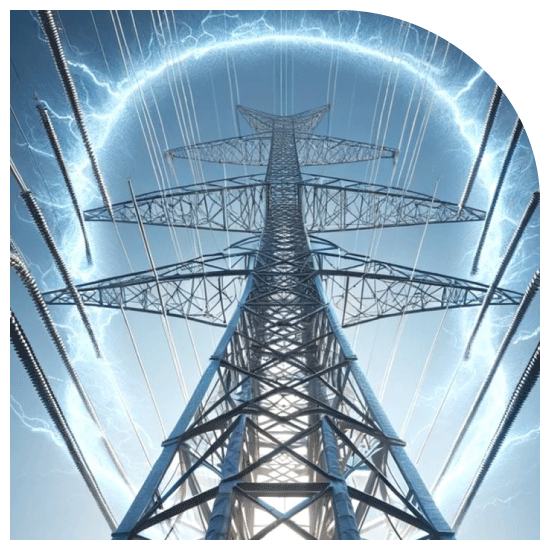
The Electrical Power Engineering (EPE) program is a comprehensive program designed to educate and train the next generation of engineers who will manage the global energy transition. The curriculum focuses heavily on core areas essential for modern power systems, including the analysis and operation of traditional power systems, the application of power electronics for efficient energy conversion, and the implementation of sophisticated control systems. A significant portion of the program is dedicated to forward-looking technologies such as integrating diverse renewable energy sources (solar, wind) into resilient smart grids, utilizing state-of-the-art technologies, and deploying advanced energy storage solutions. This specialized education prepares graduates with the highly sought-after expertise needed to design, modernize, and maintain sustainable electrical infrastructure worldwide while providing the student with the fundamentals needed for the standard electrical power engineering job market. The program emphasizes developing innovative problem-solving abilities, fostering teamwork skills, and the ability to integrate diverse energy sources and intelligent control technologies into seamless, reliable power grids.
Electrical Power Engineering (BSc) graduates have strong and steadily growing job prospects, driven by global demand for electricity, renewable energy expansion, and smart grid development. They can work across key sectors such as power generation and distribution, renewable energy, industrial automation, transportation electrification, and emerging areas like data centers and smart cities. While the field offers stable and diverse career opportunities, entry-level positions can be competitive, making practical experience, internships, and skills in tools like ETAP, MATLAB, and PLC systems essential. Overall, it is a future-proof career path with good long-term growth, especially for graduates who specialize and adapt to modern energy technologies.
ACCREDITATION
University of Science and Technology - Zewail City is
officially accredited by the Supreme Council of Universities in Egypt.
OBJECTIVES
The educational objectives for the Electrical Power Engineering program align directly with the mission of Zewail City of Science, Technology and Innovation. These goals articulate the professional milestones we anticipate our graduates will achieve in their careers. Within few years of earning their degree, program alumni are expected to:
PROGRAM DETAILS
ABET-aligned learning outcomes
Student Outcomes describe what students are expected to be able to do by the time of graduation. The EPE program adopts the Student Outcomes of the ABET Engineering Accreditation Commission. By the time of graduation, EPE students attain the following outcomes:

Unlock your potential at Zewail City, where innovation meets excellence. We invite passionate minds to join our dynamic community, shaping the future of science and technology